

Every type sees something important.
Every type misses something important.
THE 9 ENNEAGRAM TYPES
The descriptions below are offered as reflections, not diagnoses. Enneagram patterns tend to reveal themselves gradually, through the ways our attention moves, the strategies we rely on, and the responses that show up again and again across different situations and seasons of life.
You will probably recognize yourself in the behaviors of more than one description. As you read, listen less for who you would like to be or how you are on your best days, and more for how you tend to move through any ordinary day. Pay attention to the patterns that show up repeatedly, often without effort or intention, especially when you are tired, stressed, or overwhelmed.
Each type below is described through the same lens: where its attention goes, what happens when that pattern runs on autopilot, and what becomes possible with awareness.

Type Ones tend to notice what's wrong, what's out of order, or what could be better before they notice much else. That attention orients around standards and principles that promise integrity, and it often comes with exacting internal expectations, a sense of needing to be correct, or even perfect.
Left unchecked, this pattern narrows into judgment, aimed inward as easily as outward. Certainty crowds out flexibility, self-criticism intensifies, and relaxation can start to feel irresponsible.
With awareness, the same orientation becomes ethical clarity: discernment and principled action that stays grounded instead of rigid.
Type 1
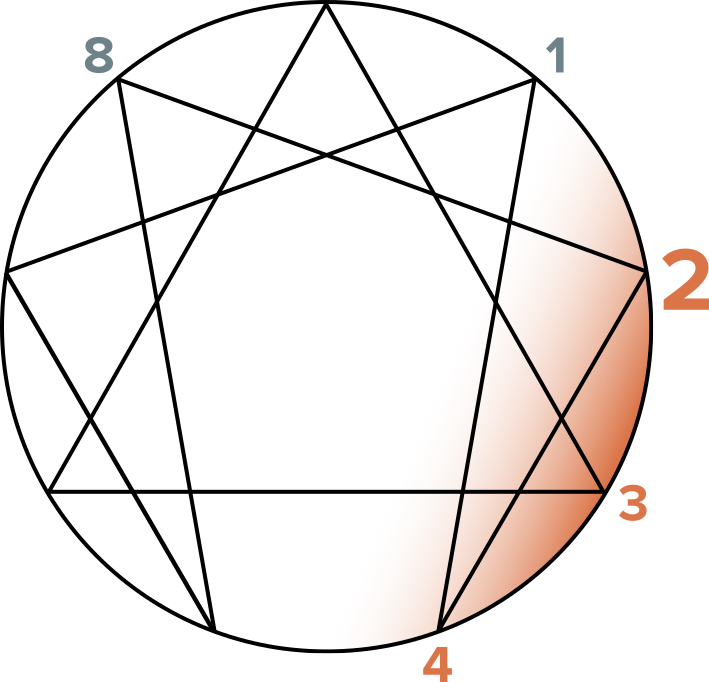
Type Two attention moves toward the needs and emotional states of others. Twos tend to focus on helping, supporting, and building rapport, often gauging their own value through how useful they are to the people around them.
On autopilot, that outward focus can crowd out personal needs almost entirely. Boundaries blur, and support quietly becomes entangled with expectation or the hope of approval.
With awareness, the same relational sensitivity becomes generosity and care that stay mutual, including the self rather than bypassing it.
Type 2
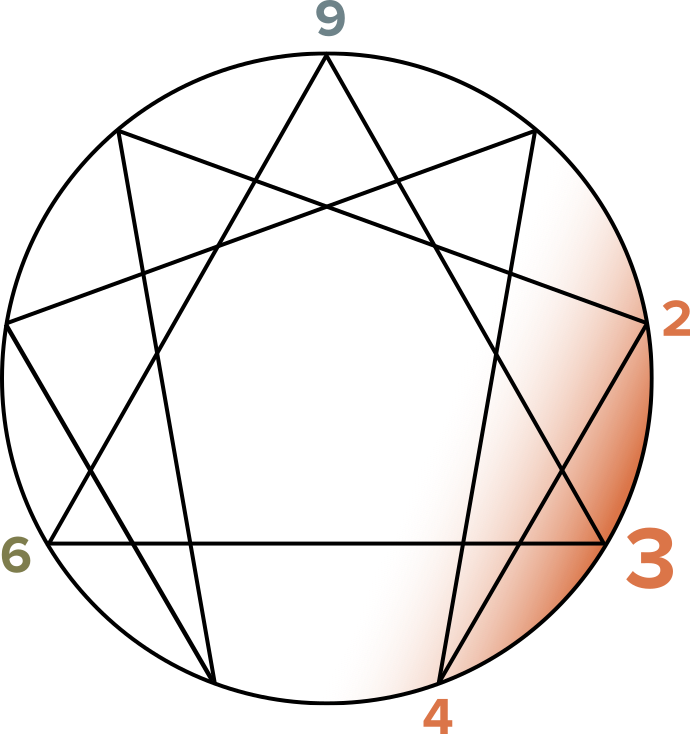
Effectiveness, success, visible accomplishment. Type Three attention orients around whatever demonstrates competence and value. Threes tend to focus on productivity and performance, often shaping their image to fit what their environment expects of them.
Run on autopilot long enough, and image can start to outweigh substance. Worth gets tied to achievement, busyness crowds out reflection, and deeper feeling slips out of view in favor of momentum.
With awareness, that same drive becomes purposeful action and leadership rooted in authenticity rather than appearance alone.
Type 3

Type Four attention moves toward meaning, depth, and whatever feels distinctive or personally significant. Fours attune closely to emotional nuance and difference, drawn toward experiences that express identity and inner truth.
When this runs on autopilot, attention narrows into comparison or longing. Feelings of being misunderstood or overlooked intensify, and decisions that feel ordinary or uncertain can trigger withdrawal.
With awareness, that same sensitivity becomes authenticity and emotional presence that stays connected instead of isolated.
Type 4
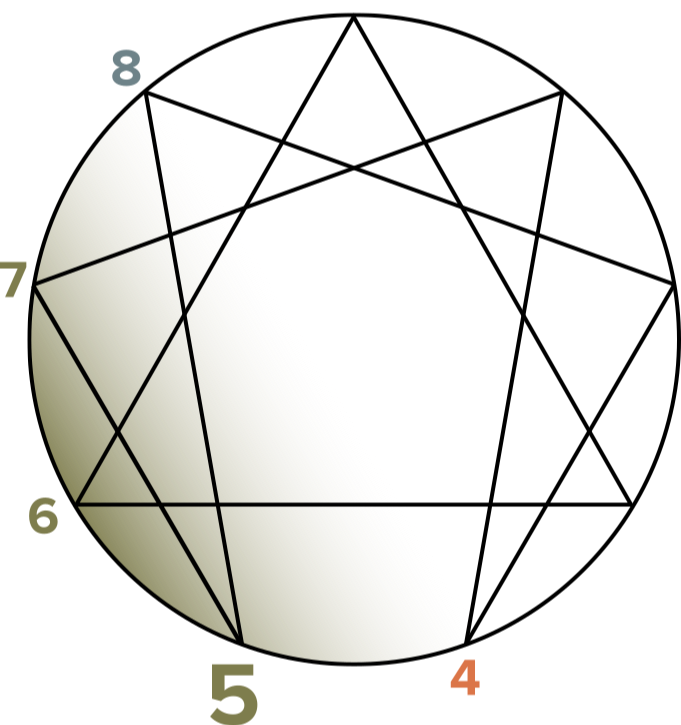
Type Fives tend to observe before they engage. Type Five attention orients around understanding and conserving inner resources — knowledge, analysis, independent problem-solving, personal space.
On autopilot, thinking can start to replace action altogether. Emotional or relational involvement begins to feel intrusive or draining, and withdrawal increases as protection takes priority.
With awareness, that same orientation becomes insight and measured participation, without retreating from life or relationship.
Type 5

Type Six attention scans for risk: what might compromise safety, stability, or trust. Sixes tend to look for inconsistency while seeking reassurance through trusted people, systems, or shared values, striving to feel secure.
Left on autopilot, doubt multiplies. Decision-making stalls or oscillates even as everything feels urgent, and vigilance can shift into suspicion or reactivity as uncertainty grows.
With awareness, that same attentiveness becomes discernment and courageous engagement, rooted in inner steadiness rather than fear.
Type 6
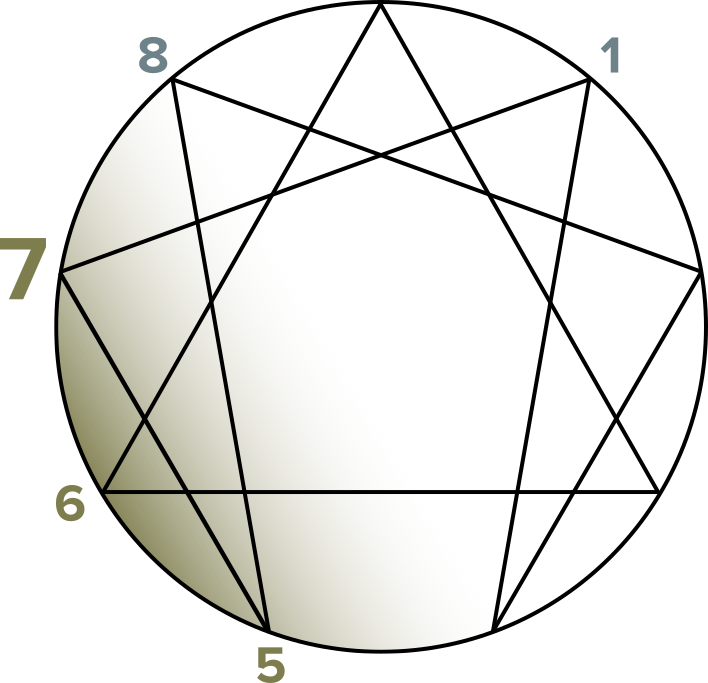
Possibility, stimulation, what's next. Type Seven attention orients around experiences that promise enjoyment or relief from limitation. Sevens tend to focus on options and future-oriented enjoyment, striving to feel satisfied or excited.
On autopilot, attention scatters. Discomfort gets avoided, commitments multiply, and follow-through weakens as anticipation replaces presence.
With awareness, that same orientation becomes creativity and engaged participation that stays grounded in what's actually happening now.
Type 7
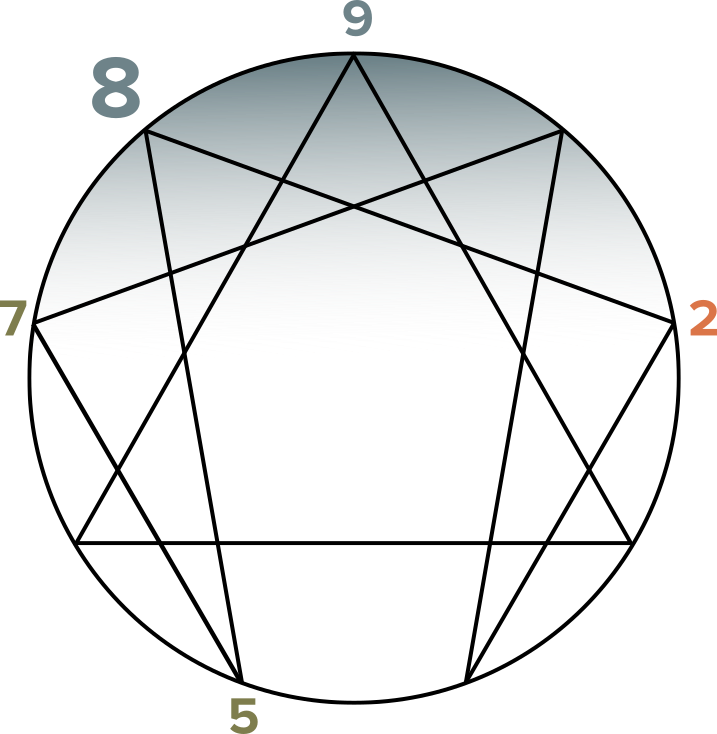
Type Eight attention moves toward power, control, and immediate impact, protecting autonomy and confronting obstacles head-on. Eights tend to act decisively and trust their instincts, pushing against whatever feels unjust or restrictive.
Run on autopilot, intensity can overwhelm the people around them, and vulnerability starts to feel unsafe or costly. Certainty hardens into resistance to feedback or restraint.
With awareness, that same energy becomes courageous leadership and direct action, tempered by attunement and care.
Type 8
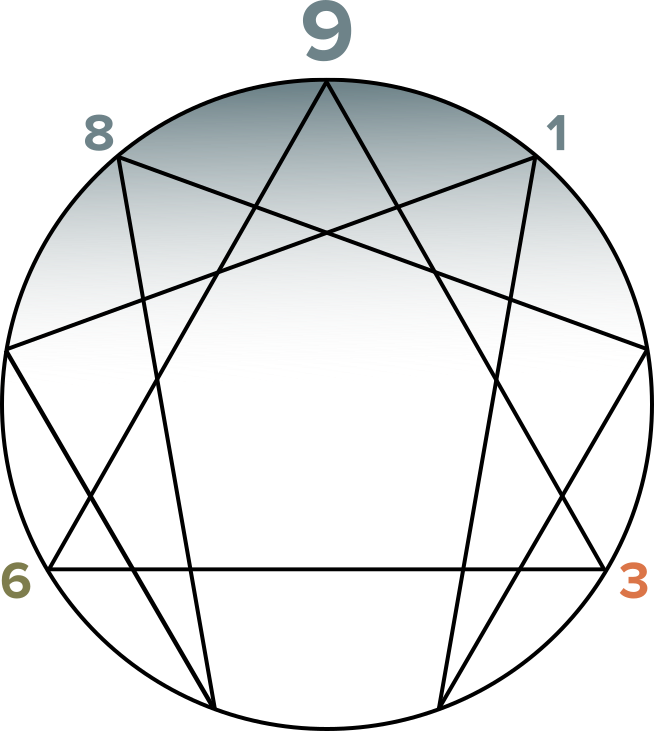
Type Nine attention often moves toward what feels calm and harmonious, orienting around what helps maintain a sense of inner and outer peace. In this striving to feel peaceful, Nines tend to minimize their own needs, wants, and opinions in deference to others.
When this pattern runs on autopilot, personal priorities quietly recede, and asserting oneself begins to feel risky, even disruptive. Unspoken frustrations can accumulate beneath an outwardly calm surface.
With awareness, this same orientation supports grounded, inclusive engagement, allowing presence and participation without disappearing from oneself.
Type 9
Not sure which pattern fits?
Typing consultations are designed to help explore the possibilities, ask deeper questions, and narrow the field without forcing certainty.